
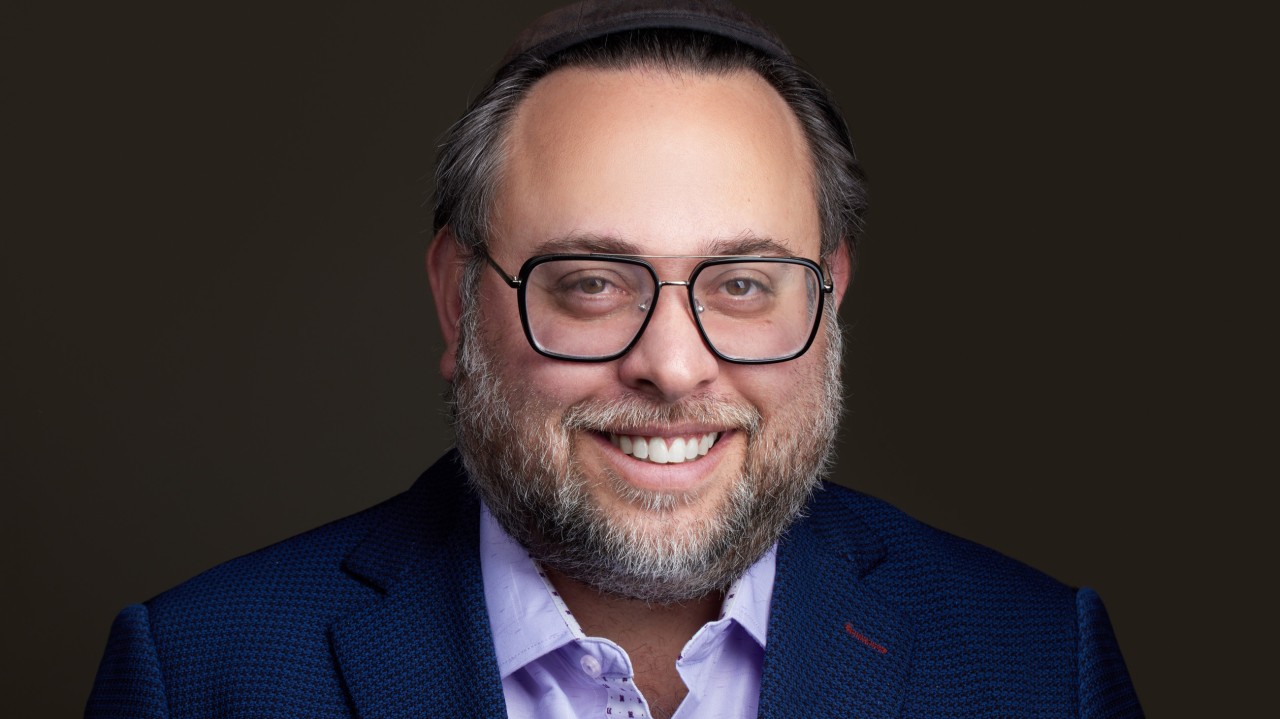
There is a lot of talk in real estate about putting investors first. A lot of people say it. A lot fewer people actually do it when it costs them real money. I was having a conversation recently with an operator, Zane Schartz, who walked away from a deal and personally lost $100,000 in earnest money. Not because the deal collapsed. Not because financing failed. Because after going hard, new information surfaced and the numbers stopped making sense. He had a choice. Push forward and hope it works. Or protect investor capital and take the loss himself. He chose the second option. That is easy to say when it is someone else's $100K. It is very different when it is yours.
Most people think capital preservation means lower returns or boring deals. The reality is much simpler. It means not forcing a deal just because you are already committed. One of the biggest risks in real estate is emotional momentum. Once time is spent, money is spent, reputation is attached, and investors are watching, people start convincing themselves the deal has to work. Good operators know sometimes the smartest move is stopping. Bad operators find a way to justify pushing forward. The market does not reward stubbornness. It punishes it.
There is a reason some operators move away from high variable assets and toward predictable cash flow assets. In certain asset classes you do not control expenses. Insurance moves. Labor moves. Materials move. Taxes move. And suddenly your model is built on variables you cannot control. There is another way to play the game. Buy properties where rent is fixed. Where debt is fixed. Where expenses are mostly fixed or reimbursed. Where the tenant is a multi billion dollar company, not a franchise operator. Predictability is not exciting. But predictability builds wealth.
A lot of investors think brand recognition equals safety. It does not. There is a huge difference between a brand and credit. A Subway sign does not mean corporate credit backing. A Dunkin sign does not automatically mean corporate backing. Many national brands are actually individual franchise operators behind the lease. If the lease is backed by a franchise operator, you are underwriting a small business. If the lease is backed by the corporation, you are underwriting a public company balance sheet. That is a completely different risk profile.
There is this idea that every investment in a portfolio has to be the highest return. The smartest operators think differently. Sometimes the goal is not to be the highest return in the portfolio. Sometimes the goal is to be the most stable part of the portfolio. Predictable monthly cash flow. Predictable debt. Predictable income. That combination allows you to send distributions like clockwork. And investors remember consistency way longer than they remember one outlier high return year.
One thing that translates directly from sports to business is learning how to lose and keep moving. You will lose deals. You will misjudge markets. You will get beat by other buyers. You will have investments that do not perform how you modeled. The difference between long term winners and everyone else is simple. They treat losses as data. Not identity. You do not need to win every deal. You need to survive long enough to win enough of them.
The biggest takeaway for me is simple. Anyone can say investors come first. Very few people are willing to prove it when it costs them six figures. And in real estate, reputation compounds just like returns.